Lichen, Algae or Moss? Identifying What Is Growing on Your Taunton Roof
Stand at the bottom of your garden and look up at the roof. That green, grey and sometimes orange mess spreading across the tiles is easy to lump together as simply dirt, but it is usually three different things doing rather different jobs. Algae, moss and lichen all colonise Taunton roofs, and each behaves in its own way.
Knowing which one you are dealing with is genuinely useful. It tells you how serious the situation is, how it should be treated and how quickly it is likely to come back. This guide will help you tell them apart from the ground and understand why your roof, here in this damp corner of Somerset, is such an inviting home for all three.
The quick answer: Algae shows up as green tinges or dark streaks, moss forms spongy raised green clumps, and lichen appears as flat, crusty patches in grey, white or orange. All three thrive in Taunton's mild, humid climate. Moss is the most damaging if ignored, but a professional soft wash clears all three safely and slows their return.
1. Why it helps to know what you are looking at
People often use moss as a catch-all word for anything growing on a roof, but the three main culprits are quite distinct. They take hold for different reasons, spread at different rates and cause different amounts of trouble. Treating them properly starts with recognising them.
You do not need to climb up to work out roughly what you have. A good look from the garden, ideally with binoculars or a zoomed-in phone photo, usually tells the story. Once you can name it, the right course of action becomes much clearer. So what are you actually looking at up there?
2. Algae: the green and black staining
Algae is the flattest and most subtle of the three. It shows up as a green tinge across the tiles or, more noticeably, as those dark streaks that run down a roof like grubby tears. It is not raised or spongy. It sits as a film on the surface, feeding on moisture and airborne nutrients.
Although algae looks less dramatic than a thick moss covering, it is often the first sign that conditions are ripe for more growth. It thrives on north-facing and shaded roofs where the sun rarely dries things out. Left alone, it makes the whole roof look tired and dirty, and it sets the stage for moss and lichen to follow.
3. Moss: the spongy green cushions
Moss is the one most people picture, and the one that causes the most concern. It forms raised, spongy green cushions, often thickest along the bottom edges of tiles, in the valleys and around the ridge. Unlike algae, you can see and almost feel its bulk, and clumps frequently break away and end up in the gutters.
This is the growth to take seriously. Moss acts like a sponge, holding water against the tiles long after the rain has stopped. That trapped moisture keeps the surface damp, works into the gaps between tiles and, over time, can lift edges and worsen small cracks. Have you noticed your gutters filling with green debris? That is moss telling you it has taken hold.
4. Lichen: the crusty grey and orange patches
Lichen is the toughest and most stubborn of the three. It appears as flat, crusty patches, often pale grey, white, or a distinctive mustard orange, and it clings firmly to the tile surface. Unlike moss, it does not brush away easily, because it bonds tightly to whatever it grows on.
Lichen is remarkably hardy and can survive conditions that would see off algae. It is slow to establish but equally slow to shift, which is why it needs proper treatment rather than a quick scrub. Its roots, so to speak, can work into the tiny pores of ageing tiles, so dealing with it before it becomes deeply established is always easier.
5. Why these growths love Taunton roofs
Taunton sits low in the Vale of Taunton Deane, ringed by the Quantock and Blackdown Hills, with the River Tone winding through. It is a genuinely damp, humid pocket, and the surrounding orchards, mature trees and shaded gardens only add to the moisture in the air. For algae, moss and lichen, this is close to a paradise.
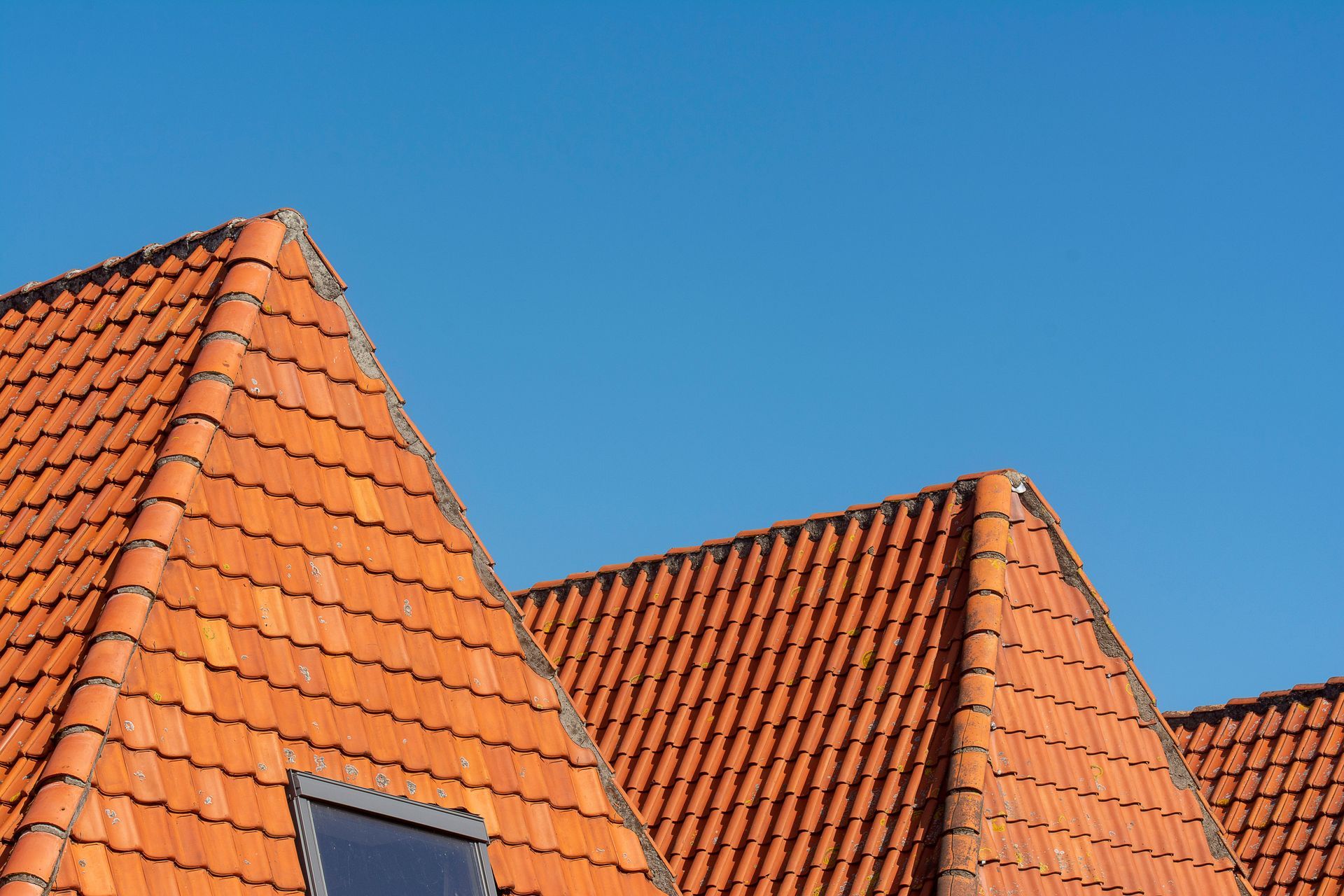
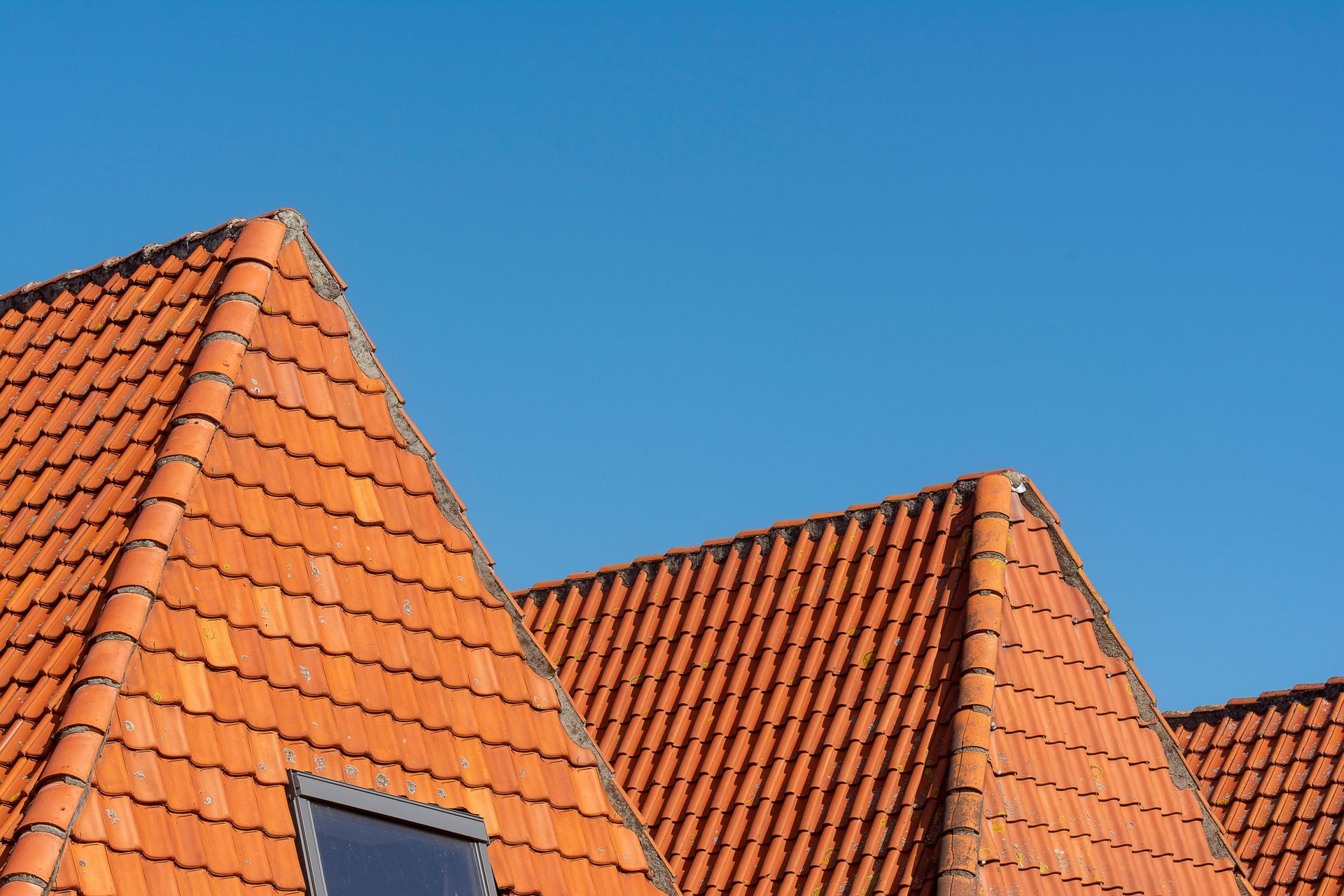
The mix of roof coverings around here matters too. Older clay tiles and natural slate on Victorian terraces, along with the pantiles you find in surrounding villages, all offer slightly textured, porous surfaces that growth clings to happily. Add our mild winters, which rarely get cold enough to kill anything off, and you have roofs that green over quickly and stay that way without regular attention.
6. What to do about it
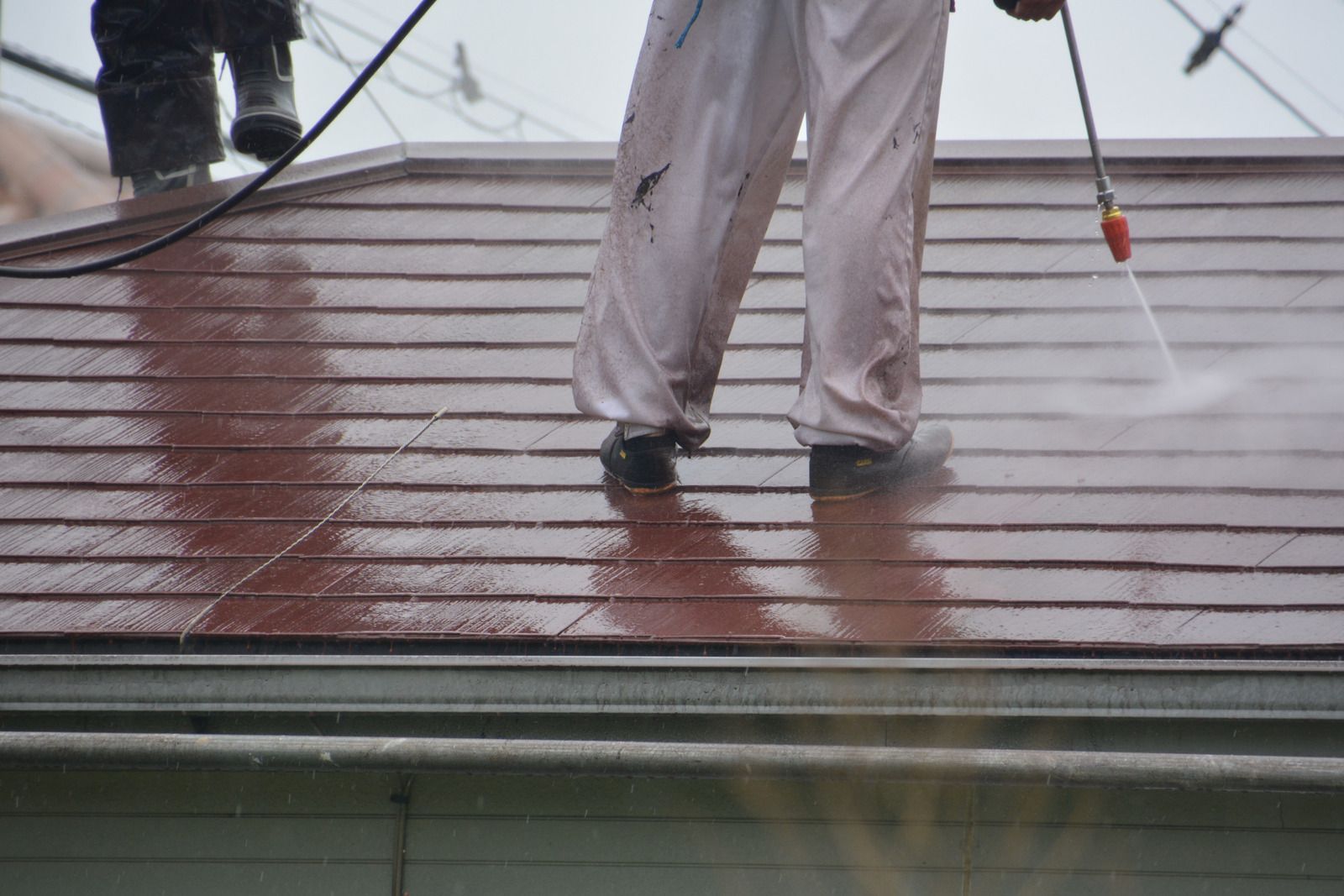
Whichever of the three you have, the answer is not a pressure washer. Blasting a roof at high pressure can strip the protective surface of tiles, force water underneath and cause real damage, and it does nothing to stop regrowth. It is one of the most common and costly mistakes homeowners make.
The right approach is soft washing, which uses low-pressure water together with a biocide. The biocide kills off the algae, moss and lichen at the root and keeps working for weeks afterwards, so the roof not only looks clean but stays cleaner for longer. Heavy moss is removed carefully first, and the treatment handles the rest gently and thoroughly.
- Algae: flat green tinge or dark streaks, a film on the surface that signals damp conditions.
- Moss: raised, spongy green cushions that trap water and are the most damaging if left.
- Lichen: crusty grey, white or orange patches that cling tightly and resist brushing off.
- The fix: soft washing with biocide clears all three safely and slows their return, unlike pressure washing.
Frequently Asked Questions
Is moss worse than algae or lichen?
In terms of potential damage, yes. Moss holds moisture against the tiles and can work into gaps and lift edges over time, whereas algae and lichen are more of a surface and cosmetic concern, though still worth removing.
Can I just scrape the lichen off myself?
It is not advised. Lichen clings tightly and resists brushing, and climbing about on a roof to scrape it is dangerous and can damage tiles. A proper soft wash treatment deals with it far more safely and effectively.
Why does the growth keep coming back?
Because Taunton's damp, humid climate constantly encourages it. A soft wash with biocide slows the return significantly, and periodic maintenance keeps it in check rather than letting it build up again.
Does the type of tile affect what grows?
To an extent. Porous, textured older clay and slate tiles tend to hold moisture and give growth something to cling to, so they can green over faster than smooth, modern surfaces.
Will removing it improve my home's appearance?
Noticeably. Clearing algae, moss and lichen restores the true colour of the tiles and can transform how the whole property looks, which matters especially if you are thinking of selling.
Not sure what is growing on your roof?
Ben's Roof Cleaning brings over 15 years of experience in safe, effective roof cleaning across Taunton and the surrounding area. Get in touch or call 01823 215246
for a free, no-obligation quote.
Know your roof, protect your home
Algae, moss and lichen may all look like the same green nuisance from a distance, but they tell you different things about your roof and its exposure to our damp Somerset air. Recognising them helps you understand how urgent the situation is. Whatever the mix, a careful soft wash clears it all away safely and keeps your Taunton roof looking and performing at its best.